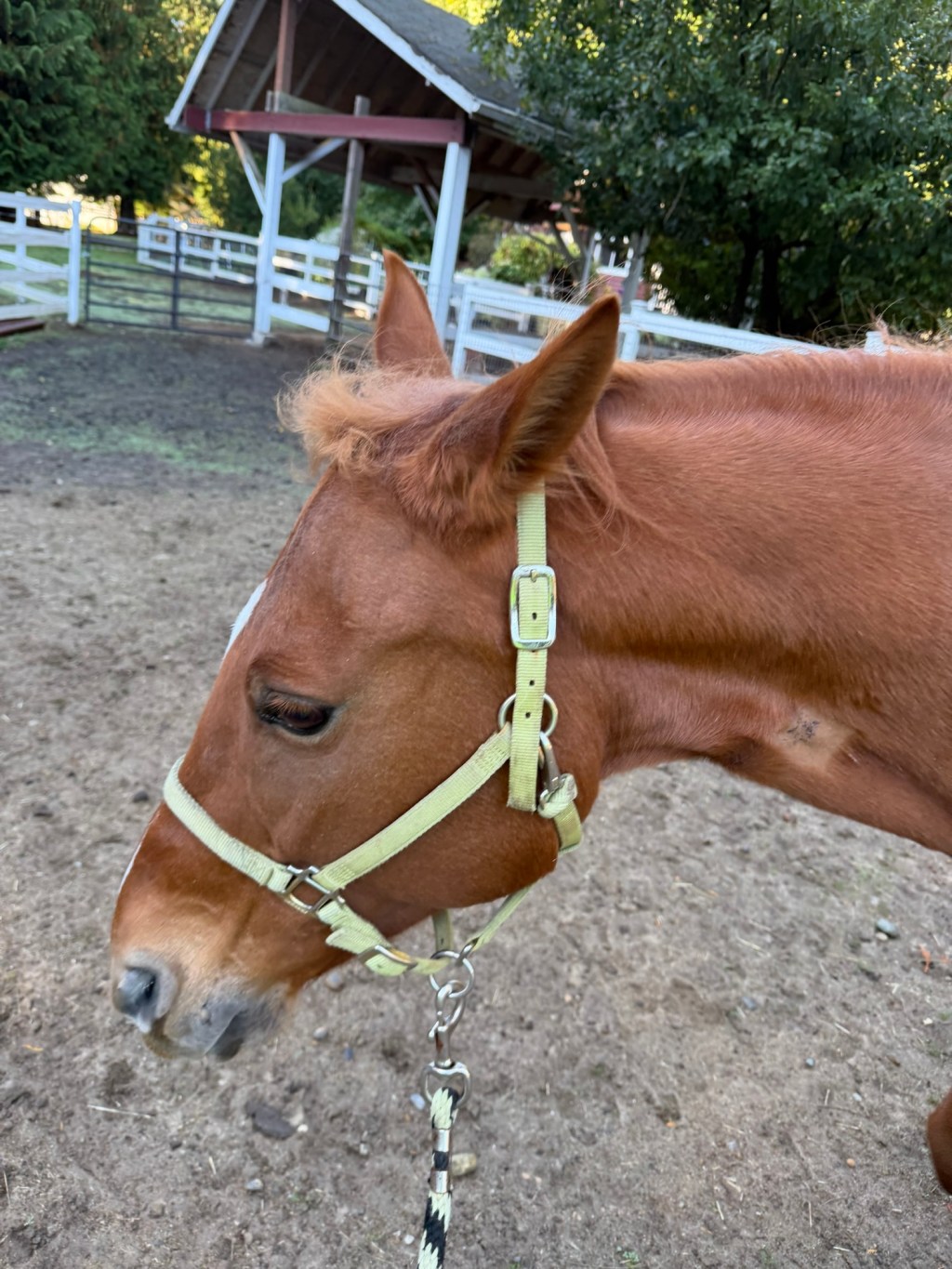
Colic. No horse owner wants to see their horse going through it. It is the number one common equine emergency and a leading cause of premature death in horses. Colic is a clinical symptom of abdominal pain, such as gas, impaction or a displacement. Horses have a complex and sensitive gastrointestinal tract, and minor disruptions can escalate into severe discomfort.
Some possible causes of colic:
- Sudden Dietary Changes: Transitioning too quickly between different types of hay (or even the same type but maybe a new batch or cutting), shifting from high-moisture pasture to dry forage, or a heavy grain diet can disrupt the delicate hindgut microbiome.
- Dehydration and Impactions: It’s important to monitor your horse’s water intake. Some drink well throughout the year, and some have a tendency to not drink enough. During seasonal weather changes your horse doesn’t drink enough water some digested food can dry out and form a dangerous physical blockage in the narrow bends of the intestines.
- Gas Accumulation: If your horse isn’t passing gas, then that can be a signs things are not moving through.
- Anatomical Shifts (Displacements and Torsions): a large portion of the horse’s large colon floats relatively freely inside the abdomen, it can occasionally shift out of its normal position or twist completely around itself (volvulus). This cuts off the blood supply and requires immediate emergency intervention.
- Environmental Factors: Ingesting sand from the ground while feeding can cause “sand colic,” dental issues or a heavy internal parasite load can prevent proper chewing and digestion.
- Ulcers: stomach ulcers can cause colic by causing abdominal pain and altering gastrointestinal function.
Early and Mild Signs of Colic
- Loss of appetite or leaving a clean bowl of feed untouched. Walking away from their food.
- Lethargy, depression, or standing quietly in a corner
- Pawing at the ground repeatedly
- Curling the upper lip (the flehmen response) or arching the neck
- Frequently turning the head to look at, bite, or kick the flanks
Moderate to Severe Signs of Colic
- Frequent stretching as if trying to urinate without success
- Repeatedly lying down, getting up, or wanting to stay flat on their side
- Violent rolling or throwing themselves to the ground
- Profuse, patchy sweating and rapid, shallow breathing
- An obviously bloated or distended abdomen
- A complete absence of normal digestive sounds (gut noises)
- Pawing the ground and then walking backwards
- Trembling
- Kicking at their tummy
Always treat colic as a medical emergency and contact a veterinarian immediately.
Remove all the horse’s food while you are waiting for the Veterinarian..
If you can, get their vital signs. (Heart rate, respiratory rate, temperature. check the gums – healthy gums are moist and pink; pale, dark red, or bluish gums signal a severe medical emergency.
Evaluate the Rolling: If they are rolling violently and risk injuring themselves get them up and walk them gently. Do not exhaust the horse with hours of forced walking. Don’t force a walk.
Don’t give any pain medication without the instructions from your Vet. Medication can mask symptoms.
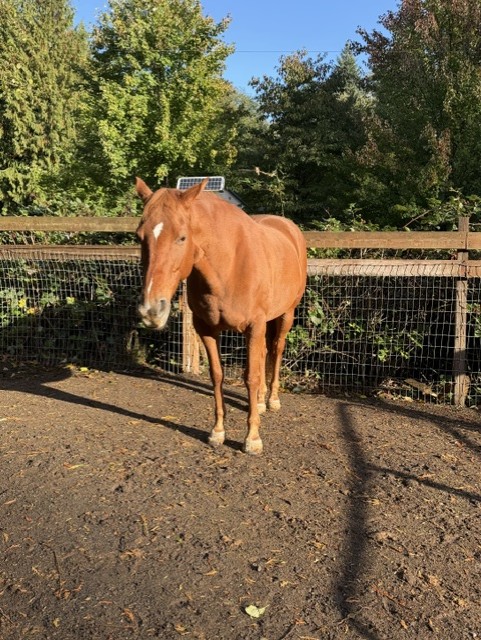
My final thoughts on colic is, know your horse. One of the times one of my horses colicked I made the call to the Vet when I offered a treat over the fence to my two mares. One approached, as the other stood back. That alarmed me because that horse never lets the other horse come to the fence before her. Anything that seems mildly off, it is better to be safe rather than sorry.


Leave a Reply